
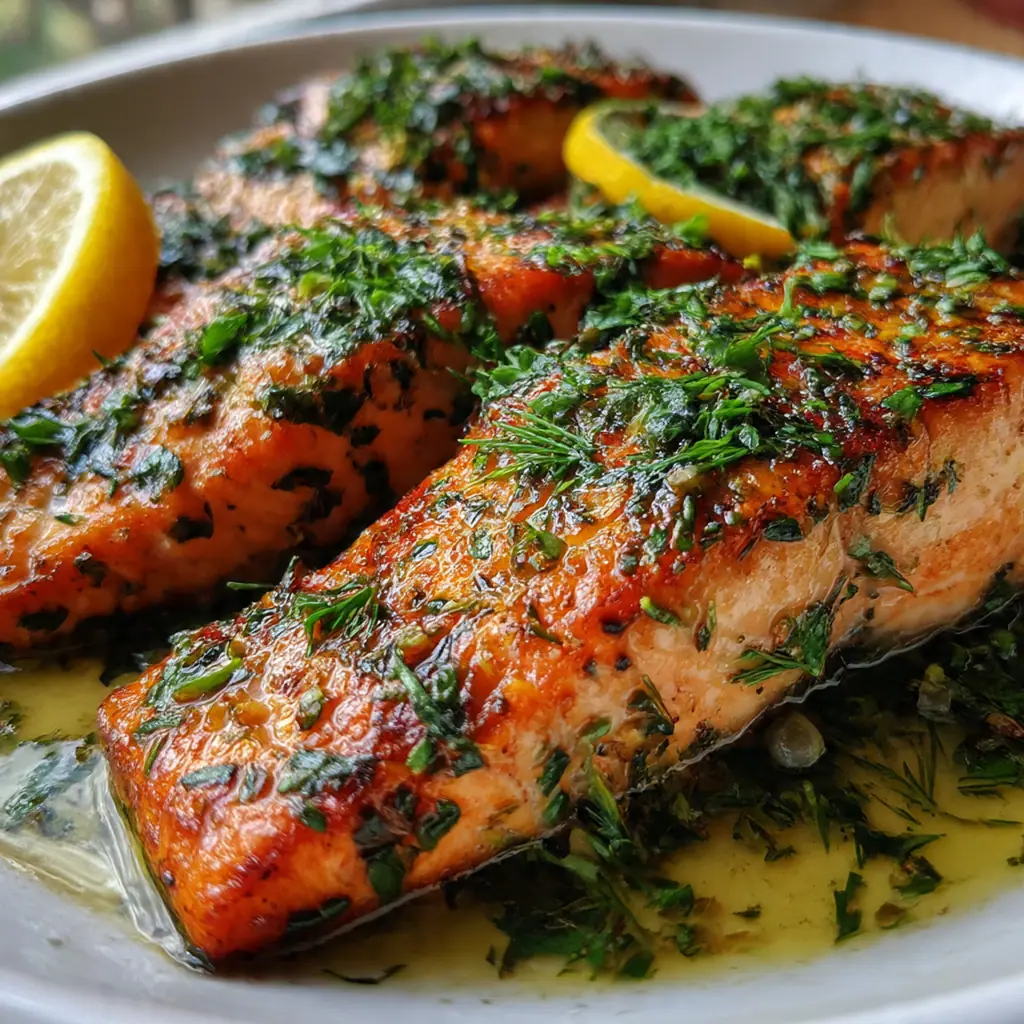
While I often crave the fiery kick of Spicy Thai Basil Noodles, there are nights when only the bright, comforting flavors of this classic Italian Chicken Piccata will do. It’s a dish that feels incredibly special, with its bright, buttery lemon and caper sauce, yet it comes together surprisingly fast. This recipe has been my go-to for years when I want to impress guests or just treat myself on a weeknight. The beauty of Italian cooking shines here, turning simple ingredients into a meal that tastes like it came from a high-end restaurant.
Why You'll Love This Recipe
- A bright and tangy sauce that tastes restaurant-worthy
- Thin chicken cutlets cook incredibly fast
- Perfect for both weeknights and special occasions
- It pairs beautifully with pasta, potatoes, or rice
Ingredients You’ll Need
- Boneless, skinless chicken breasts: Look for plump, evenly sized breasts. This makes it easier to slice them into consistent cutlets for even cooking.
- Kosher salt: Its coarse texture makes it easy to sprinkle evenly and it adheres well to the chicken, seasoning it from the inside out.
- Freshly ground black pepper: Grinding your own pepper provides a much more pungent and aromatic flavor than pre-ground varieties, which lose their potency quickly.
- All-purpose flour: This creates a very light, golden crust on the chicken and helps to slightly thicken the beautiful pan sauce as it simmers.
- Extra-virgin olive oil: You don’t need the fanciest finishing oil here; a good quality, everyday EVOO is perfect for pan-searing the chicken and building flavor.
- Unsalted butter: Using unsalted butter gives you complete control over the final saltiness of the sauce. It adds richness and a silky, creamy finish.
- Garlic: Freshly minced garlic provides an aromatic, savory base for the sauce. Its gentle warmth is a world away from the bold heat in something like Spicy Thai Basil Noodles.
- Dry white wine: Choose a crisp, dry wine you’d enjoy drinking, like a Pinot Grigio or Sauvignon Blanc. It adds a crucial layer of acidity and complexity.
- Low-sodium chicken broth: This forms the savory backbone of your sauce. Using low-sodium allows the wine, lemon, and capers to shine without making the dish overly salty.
- Fresh lemon juice: There’s no substitute for fresh-squeezed lemon juice here. It provides the bright, tangy signature flavor that bottled juice just can’t replicate.
- Lemon zest: A little bit of finely grated zest adds a wonderful lemon aroma and floral notes to the sauce without contributing extra sourness.
- Capers: These little flower buds are packed with a briny, salty, and slightly floral punch that is the hallmark of a great piccata sauce. Be sure to rinse them first.
- Fresh flat-leaf parsley: Also known as Italian parsley, this herb adds a final touch of fresh, clean flavor and a pop of green color to the finished dish.
- Optional lemon slices: These make for a beautiful presentation and allow guests to add an extra squeeze of fresh juice if they like.
- Optional extra parsley: A final sprinkle of fresh herbs right before serving always makes a dish look and taste more vibrant and complete.
- Optional extra butter: If your sauce tastes a bit too sharp from the lemon, an extra pat of butter at the end will smooth it out beautifully.
How to Make It
Prepare the Chicken Cutlets:
Your first step is to create thin, even pieces of chicken. Place the chicken breasts on your cutting board and carefully slice each one in half horizontally, like you’re opening a book. You’ll end up with six thinner cutlets. Cover them with a piece of plastic wrap and gently pound them with a meat mallet or even a rolling pin until they are about a quarter-inch thick. This step is crucial because it tenderizes the meat and ensures every piece cooks quickly and evenly, so you don’t have any dry or undercooked spots. The uniform thickness is what separates a good piccata from a great one. It’s a completely different cooking philosophy than the quick, high-heat chop of proteins for Spicy Thai Basil Noodles.
Season and Dredge Lightly:
Once your cutlets are prepped, pat them completely dry with paper towels. Moisture is the enemy of a good sear, so this is a step you shouldn’t skip. Season both sides of each cutlet generously with kosher salt and freshly ground black pepper. Now, place your all-purpose flour in a shallow dish or on a plate. Take each piece of chicken and lightly press it into the flour, coating both sides. The key word here is ‘lightly.’ Gently shake off all the excess flour; you only want a thin, almost translucent dusting. Too much flour will result in a gummy coating instead of a delicate, crispy crust.
Sear for a Golden Crust:
Place a large skillet over medium-high heat and add the olive oil and one tablespoon of the butter. Let it get nice and hot until the butter is fully melted and begins to foam. Carefully place half of the chicken cutlets into the pan in a single layer. Don’t crowd the skillet, as this will steam the chicken instead of searing it. Let the cutlets cook undisturbed for about three to four minutes, until the bottom is a deep golden brown. Flip them with tongs and cook for another two to three minutes on the other side until they are cooked through. The internal temperature should be around 165°F. Transfer the cooked chicken to a plate and loosely tent with foil to keep warm while you repeat the process with the remaining cutlets. This searing method builds so much flavor, unlike the stir-frying technique you’d use for Spicy Thai Basil Noodles.
Sauté the Aromatics:
With all the chicken cooked and resting, it’s time to start the sauce right in the same pan. Reduce the heat under the skillet to medium and add another tablespoon of butter. Once it melts, add your minced garlic. This step happens very fast, so stay right at the stove. Stir the garlic constantly for just 30 to 45 seconds until it’s incredibly fragrant and just beginning to turn a pale golden color. You don’t want it to brown or it will become bitter. Use a wooden spoon to scrape up any of the delicious browned bits, known as ‘fond,’ from the bottom of the pan as the garlic cooks.
Deglaze with White Wine:
Now for the fun part. While stirring, carefully pour the white wine into the hot skillet. It will bubble up and steam immediately, so be prepared. This process is called deglazing, and it’s where all that flavor stuck to the bottom of the pan gets lifted up and incorporated into your sauce. Continue stirring and scraping the bottom of the pan, letting the wine cook for about two to three minutes. You’ll know it’s ready when the wine has reduced by about half and the strong smell of alcohol has cooked off, leaving behind just its fruity, acidic essence.
Build the Pan Sauce:
With the wine reduced, you can now build the rest of your amazing sauce. Pour in the low-sodium chicken broth, the fresh lemon juice, and the lemon zest. Stir everything together to combine, then add the rinsed capers. Increase the heat to medium-high to bring the sauce to a gentle boil, then immediately reduce the heat so it maintains a lively simmer. Let the sauce cook, uncovered, for about four to five minutes. This allows the flavors to meld and the sauce to reduce slightly, becoming a little thicker and glossier. It’s a much more delicate sauce than what you’d find on Spicy Thai Basil Noodles.
Finish with Butter and Parsley:
This is the final touch that makes the sauce truly luxurious. Reduce the heat to low and add the last tablespoon of butter. Stir it into the sauce until it’s completely melted. This technique, called ‘monter au beurre’ in French cuisine, emulsifies the sauce, making it silky, rich, and slightly thicker. It just beautifully rounds out all the sharp edges from the lemon and wine. Once the butter is melted in, stir in the chopped fresh parsley. Give the sauce a taste and add a small pinch more salt if you think it needs it. The flavor should be balanced, not overly aggressive like some sauces for Spicy Thai Basil Noodles can be.
Return Chicken to the Sauce:
Your beautifully browned chicken cutlets can now return to the pan. Gently nestle them back into the sauce in a single layer, and be sure to pour in any juices that have accumulated on the plate—that’s pure flavor you don’t want to waste. Spoon some of the lemon-caper sauce over the top of each piece of chicken. Let everything simmer together very gently over low heat for just two to three minutes. This is just enough time to heat the chicken all the way through and allow it to absorb some of the incredible sauce flavors.
Serve and Garnish Immediately:
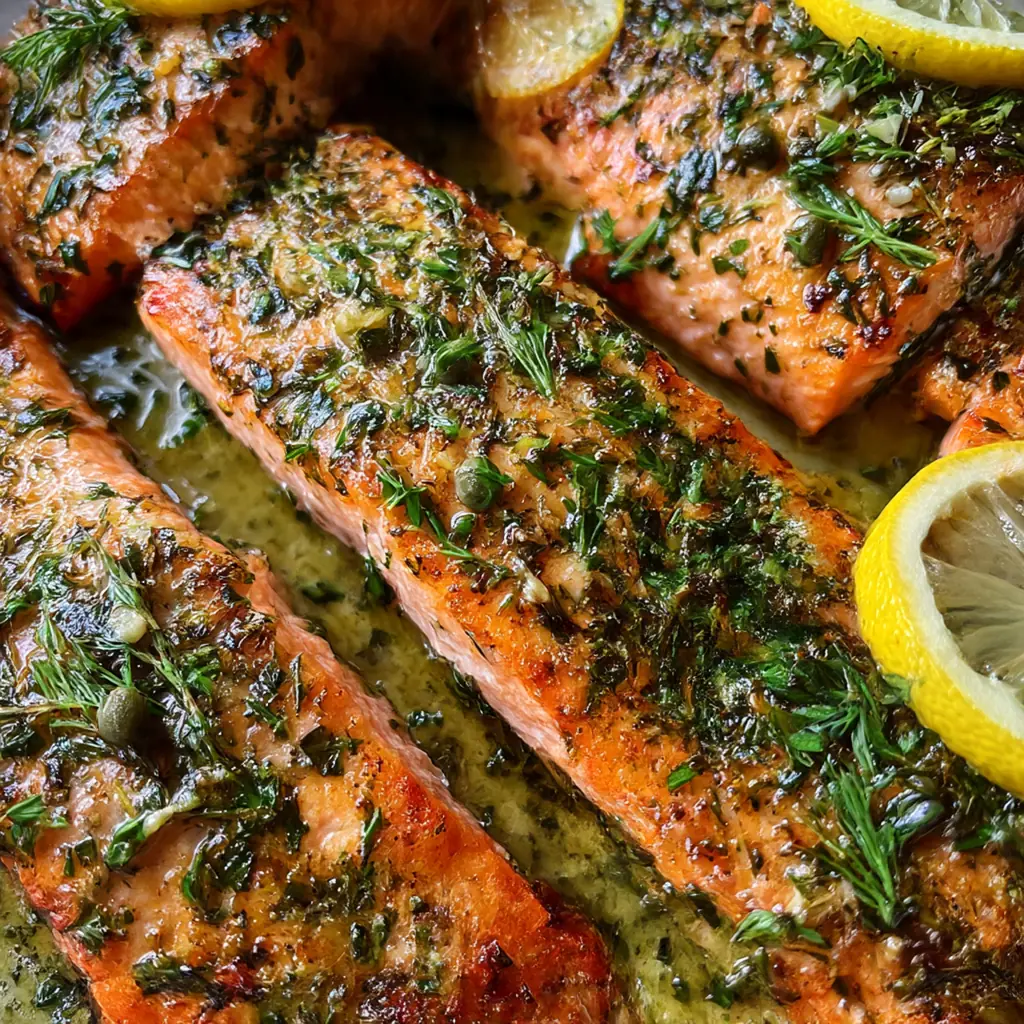
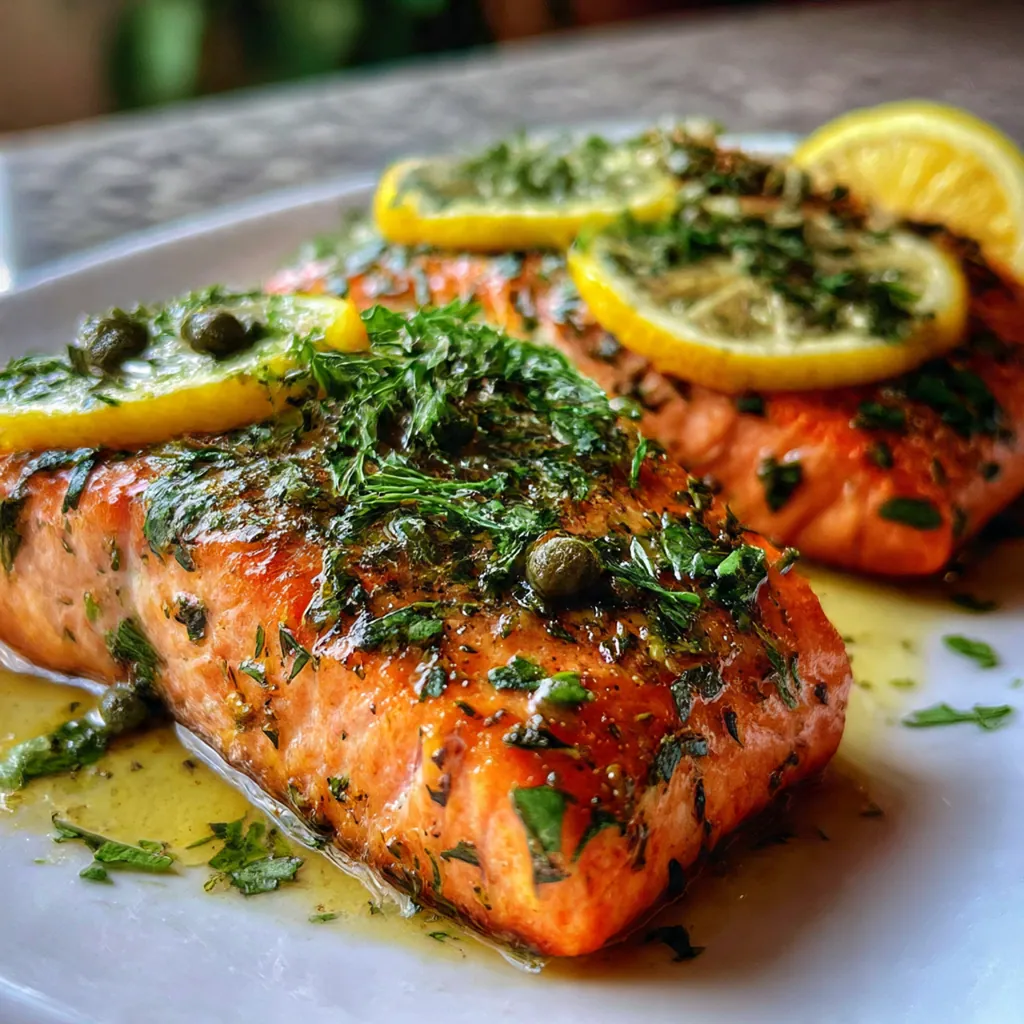
Your classic Italian Chicken Piccata is ready to be served. Transfer the chicken cutlets to a large platter or to individual plates. Be generous and spoon plenty of that glossy, fragrant lemon-caper sauce over the top of everything. For a final restaurant-quality touch, garnish with a little extra fresh parsley and some fresh lemon slices or wedges on the side. This dish is best enjoyed right away, while the chicken is tender and the sauce is warm and vibrant. It’s a completely different dining experience than having a bowl of Spicy Thai Basil Noodles.
You Must Know
- Pounding the chicken to an even thickness is key
- A light dusting of flour creates the perfect crust
- That final swirl of butter makes the sauce silky
- I find this so much more elegant than Spicy Thai Basil Noodles
Storage Tips
If you have any leftovers, allow the chicken piccata to cool down to room temperature before storing it. Place the chicken and all of its delicious sauce into an airtight container and keep it in the refrigerator for up to three days. To reheat, I recommend using a skillet over low heat. Add a small splash of chicken broth or water to help loosen the sauce as it warms up, which prevents it from becoming too thick or breaking. While you can freeze it for up to two months, the buttery sauce may separate a bit upon thawing. Reheat it very slowly while whisking to help bring it back together.
Ingredient Substitutions
This recipe is quite flexible. For a gluten-free version, simply swap the all-purpose flour for your favorite gluten-free all-purpose blend. To make it dairy-free, you can substitute the butter with a good quality olive oil or a dairy-free butter alternative. If you don’t cook with alcohol, you can omit the white wine and use an equal amount of extra chicken broth, perhaps with an extra squeeze of lemon juice to mimic the acidity. While chicken is classic, this piccata method also works wonderfully with thin veal or pork cutlets. The simple swaps here are much easier than trying to modify a recipe like Spicy Thai Basil Noodles.
Serving Suggestions
Chicken piccata is traditionally served over a bed of pasta, like angel hair or linguine, which is perfect for catching all of that amazing sauce. It’s also fantastic with creamy mashed potatoes or simple buttered rice, as both are great vehicles for soaking up every last drop. For a vegetable side, I love serving it with something simple and green like steamed asparagus, sautéed spinach, or tender green beans. A crusty loaf of bread is also a must-have on the side for mopping the plate clean. While you might just need a fork for Spicy Thai Basil Noodles, this dish really shines as part of a complete meal.
Cultural Context
Piccata is a classic Italian method of cooking where meat, most often veal, is sliced thin, dredged in flour, sautéed, and served with a pan sauce. The sauce is typically made with lemon, butter, and capers, creating a signature bright and briny flavor profile. While its roots are in Italy, Chicken Piccata has become an immensely popular Italian-American staple, celebrated in restaurants and home kitchens for its elegant simplicity. It represents a core principle of Italian cooking: using just a few high-quality ingredients to create something spectacular. The straightforward balance of fat, acid, and salt is a world away from the complex layering of sweet, spicy, and umami you’d find in a dish like Spicy Thai Basil Noodles.
Pro Tips
- Pound chicken to a perfectly even thickness
- Shake off all excess flour for a crisp crust
- Use a dry white wine you would actually drink
- An extra pat of butter can smooth out the sauce
Frequently Asked Questions
Green tea isn’t required for Classic Italian Chicken Piccata with Lemon and Capers, so you can skip it entirely. If you’d like to sip tea alongside spicy Thai basil noodles or your piccata, choose a mild, clean green tea that won’t overpower the lemon and capers—something like sencha or a basic loose-leaf green. Brew it lightly so the bright, buttery sauce and tangy lemon flavors still shine.
You can cook Classic Italian Chicken Piccata with Lemon and Capers a few hours ahead, but it’s best fresh so the cutlets stay tender. To prep in advance, slice and pound the chicken, dredge it in flour, and chop the garlic and parsley. Juice and zest the lemons and measure the wine, broth, and capers. Store everything covered in the fridge, then quickly sear the chicken and finish the sauce right before serving for the best texture.
If you don’t cook with wine, replace the 1/2 cup dry white wine with extra low-sodium chicken broth plus a teaspoon of white wine vinegar or lemon juice for brightness. For capers, try chopped green olives or finely diced pickled peppers to mimic their briny bite. You can also swap all-purpose flour with a 1:1 gluten-free blend for dredging, and use ghee or all olive oil instead of butter if you need a dairy-free option.
The chicken is ready when the cutlets are golden on both sides and cooked through, usually 3–4 minutes per side depending on thickness. The internal temperature should reach 165°F, and the juices will run clear when you cut into the thickest part. The lemon and caper sauce is done when it’s slightly reduced, glossy, and lightly coats the back of a spoon after you whisk in the butter.
Classic Italian Chicken Piccata with Lemon and Capers pairs beautifully with buttered pasta, mashed or roasted potatoes, or simple white rice to soak up the tangy sauce. Add a side of sautéed spinach, roasted asparagus, or green beans for color and balance. For a fun fusion twist, you can serve it alongside spicy Thai basil noodles—the mild, buttery chicken complements the bold, spicy noodles nicely.