
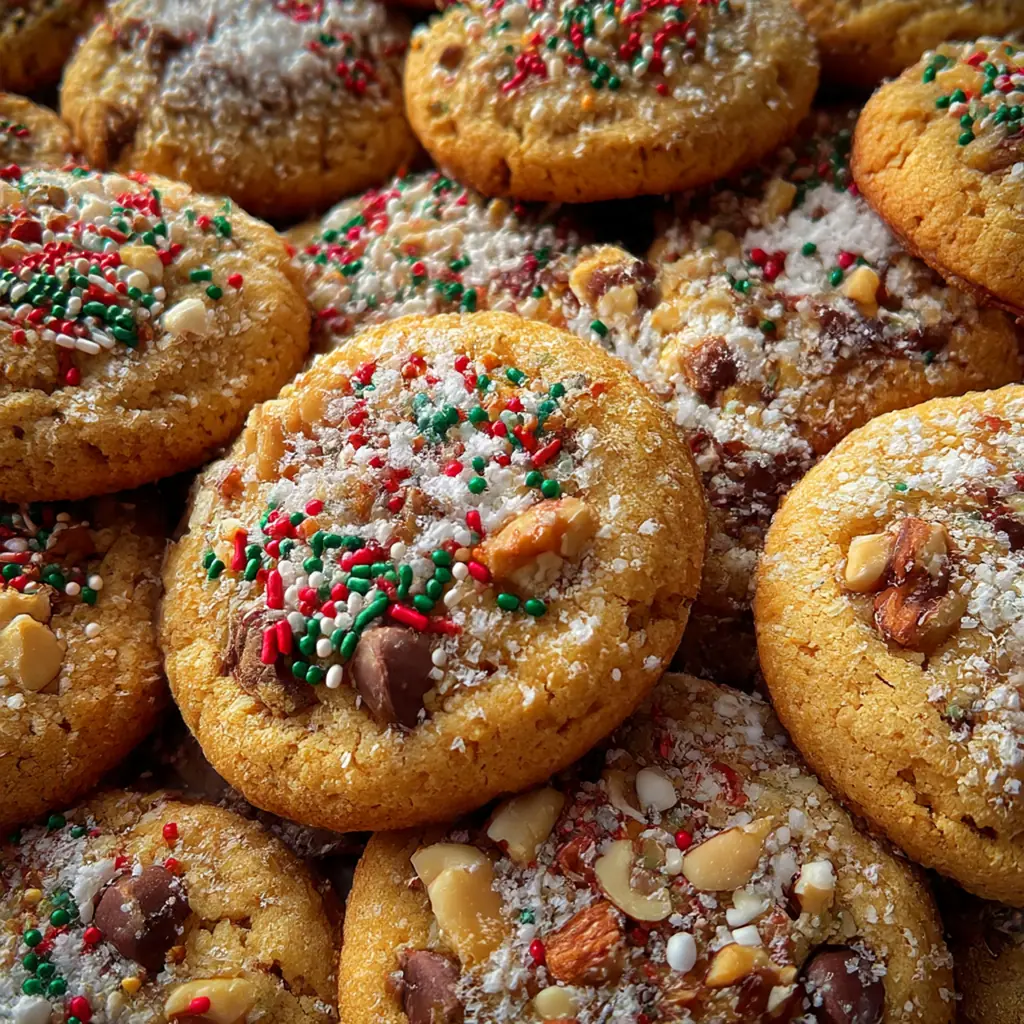
These classic spiced gingerbread Christmas cookies are the ultimate holiday baking project, filling your home with the most incredible festive scent. This recipe creates the perfect foundation for all your decorating dreams, yielding cookies that are soft in the center yet sturdy enough for cutting into intricate shapes. For me, making these gingerbread cookies signals the true start of the season. It’s a tradition that brings everyone together in the kitchen. This beloved American staple is all about the deep, warm flavors of molasses and spice, making it the one batch of Christmas cookies you simply have to make this year.
Why You'll Love This Recipe
- The perfect balance of warm holiday spices in every single bite
- Holds its shape beautifully for all your favorite cookie cutters
- A sturdy cookie that’s perfect for decorating with family
- Fills your kitchen with that nostalgic Christmas aroma
- This is my go-to recipe for gifting during the holidays
Ingredients You’ll Need
- All-purpose flour: This is the structural backbone of your cookies, giving them the perfect tender crumb. No need for anything fancy here, standard all-purpose works great.
- Ground ginger: The star of the show, providing that signature spicy warmth. Make sure your ground ginger is fresh for the most potent, aromatic flavor.
- Ground cinnamon: This spice adds a sweet, woody warmth that pairs perfectly with ginger. It’s a classic holiday spice for a reason.
- Ground cloves: Intensely aromatic and warm, a little goes a long way. Cloves give your gingerbread a deep, almost peppery background note.
- Ground nutmeg: Provides a nutty, slightly sweet flavor that rounds out the other spices beautifully. Freshly grated is always a bonus if you have it.
- Baking soda: This is our leavening agent, giving the cookies just enough lift so they aren’t dense, but not so much that they spread and lose their shape.
- Salt: A crucial ingredient that balances the sweetness and enhances all the warm spice flavors. Don’t skip it.
- Unsalted butter: Use good quality, softened butter for a rich flavor and a tender texture. Softened butter creams properly with the sugar.
- Dark brown sugar: This provides moisture and a deep, caramel-like sweetness that complements the molasses perfectly. Make sure it’s packed.
- Large egg: This acts as a binder, holding the dough together. Having it at room temperature helps it mix into the batter smoothly.
- Unsulphured molasses: This is the key to authentic gingerbread flavor and color. Unsulphured molasses has a cleaner, richer taste than sulphured varieties.
- Pure vanilla extract: Vanilla enhances the other flavors in the cookies, adding a layer of aromatic sweetness that ties everything together.
- Confectioners’ sugar: The base for our optional royal icing. It dissolves easily to create a smooth icing perfect for piping details.
- Meringue powder: This stabilizer helps the royal icing dry hard with a glossy finish, making your decorated Christmas cookies stackable and giftable.
- Warm water: Used to dissolve the sugar and meringue powder to create the perfect icing consistency. You can adjust it to make your icing thicker or thinner.
How to Make It
Combine Your Dry Ingredients:
In a medium bowl, get everything ready by whisking together the all-purpose flour, ground ginger, cinnamon, cloves, nutmeg, baking soda, and salt. Mixing these first ensures that all the spices and leavening are evenly distributed throughout the dough. This simple step prevents you from getting a surprise pocket of spice in one of your Christmas cookies.
Cream the Butter and Sugar:
In the large bowl of a stand mixer with the paddle attachment, or using a hand mixer, beat your softened butter and packed dark brown sugar together. Run the mixer on medium speed for about two minutes. You’re looking for the mixture to become visibly lighter in color and fluffy in texture. This process whips air into the dough, which is key to a tender cookie.
Add the Wet Ingredients:
Next, add the room temperature egg, rich molasses, and pure vanilla extract to the creamed butter mixture. Beat everything on medium speed until it’s fully combined. You’ll want to pause and scrape down the sides and bottom of the bowl with a spatula to make sure everything is incorporated evenly. The mixture will look dark and smell incredible at this point.
Mix the Dough:
Now it’s time to bring it all together. With your mixer running on its lowest speed, gradually add the dry flour mixture you set aside earlier. I like to do this in three separate additions. This prevents the flour from flying everywhere and allows it to incorporate gently. Be careful to mix only until the last streaks of flour disappear. Overmixing develops gluten and can make your Christmas cookies tough.
Chill the Dough Thoroughly:
This is the most critical step for perfect gingerbread Christmas cookies, so don’t be tempted to skip it. Divide the soft dough in half, flatten each piece into a disk about one inch thick, and wrap them tightly in plastic wrap. Place the disks in the refrigerator to chill for at least three hours, though overnight is even better. Chilling solidifies the fat, which prevents the cookies from spreading in the oven and helps deepen the spice flavors.
Roll and Cut Your Shapes:
When you’re ready to bake, preheat your oven to 350°F (175°C) and line two baking sheets with parchment paper. Lightly flour your work surface and rolling pin. Take one disk of dough from the fridge and roll it out evenly to a 1/4-inch thickness. If it’s too hard to roll, just let it sit at room temp for about 5-10 minutes. Use your favorite cutters to create festive shapes and place them about an inch apart on your prepared baking sheets.
Bake Your Christmas Cookies:
Bake the cookies for 8 to 10 minutes. The exact time will depend on their size and your oven. You’ll know they’re done when the edges look firm and the centers are just slightly puffed. For a softer, chewier cookie, pull them out closer to the 8-minute mark. For a crispier cookie perfect for hanging on a tree, let them go the full 10 minutes.
Cool Completely Before Decorating:
Let the cookies cool on the hot baking sheet for about five minutes. This allows them to set up a bit so they don’t break when you move them. After five minutes, transfer them to a wire rack to cool completely. They must be at room temperature before you even think about icing them, or the icing will melt right off. It’s a great time to make your icing while you wait.
Make the Icing and Decorate:
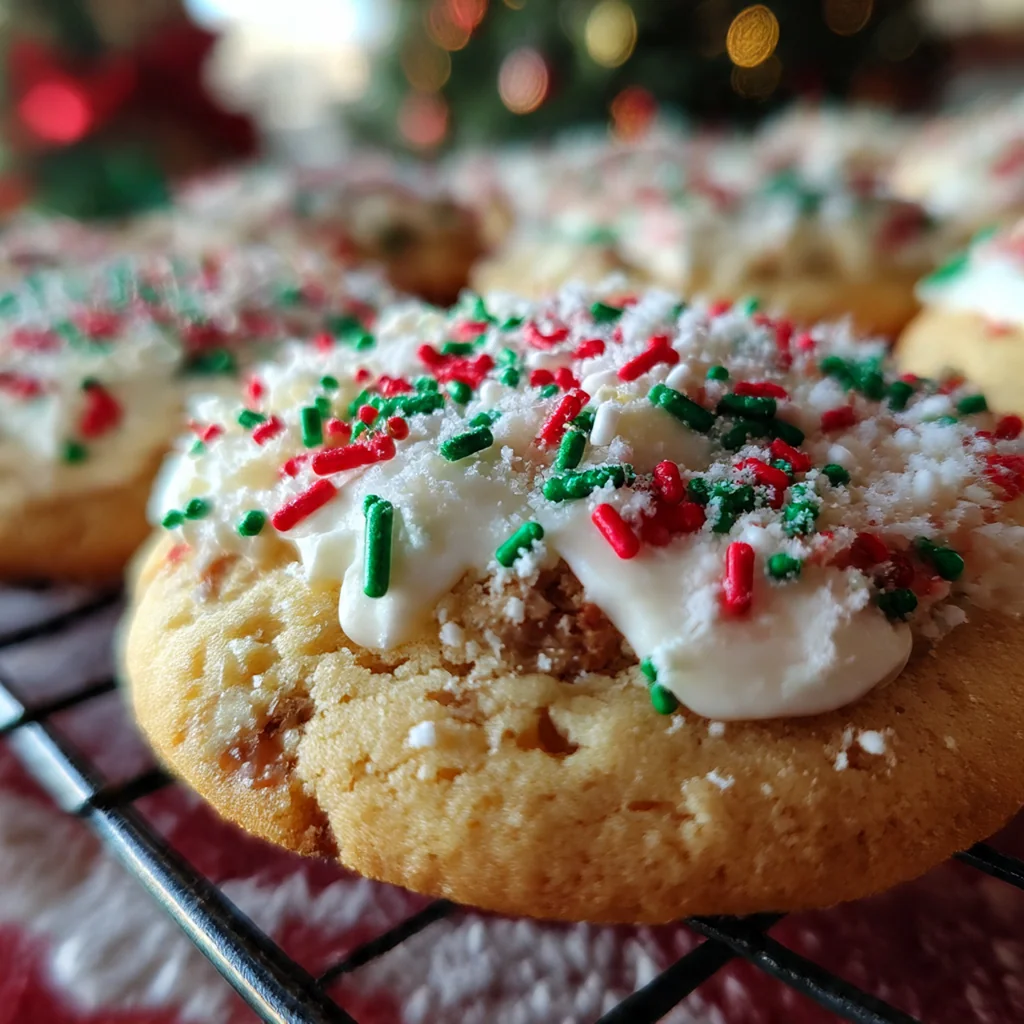
If you’re decorating, whisk the confectioners’ sugar and meringue powder together in a clean bowl. Add four tablespoons of warm water and beat with a mixer on low speed, then switch to high for two minutes until it’s glossy and forms stiff peaks. You can add a tiny bit more water to get the perfect piping consistency. Tint with gel food coloring if you wish, then have fun decorating your beautiful Christmas cookies!
You Must Know
- Chilling the dough for at least three hours is not optional
- Don’t overmix the dough after you add the flour
- Let cookies cool completely before you even think about icing
- This recipe makes the best smelling kitchen you’ll have all year
Storage Tips
Storing these Christmas cookies is easy. If they’re undecorated, you can keep them in an airtight container at room temperature for up to a week, and they’ll stay wonderfully fresh. Once you’ve decorated them, make sure the royal icing is completely dry and set, which can take a couple of hours. Then, store them in a single layer in an airtight container for up to five days. For longer storage, these cookies freeze beautifully. I recommend freezing them undecorated in a freezer-safe bag or container for up to three months for the best results.
Ingredient Substitutions
While this classic recipe is fantastic as is, you have a few options. If you only have light brown sugar, it will work in a pinch, but you’ll lose some of that deep molasses flavor. For a dairy-free version, a high-quality plant-based butter substitute works very well. If you’re out of a specific spice like cloves or nutmeg, you can slightly increase the amount of ginger and cinnamon to compensate. I don’t recommend substituting the molasses, as it’s truly essential for the authentic taste and texture of these gingerbread Christmas cookies. Using high-quality ingredients will yield the best holiday treats.
Serving Suggestions
These gingerbread Christmas cookies are perfect for any holiday occasion. Serve them on their own as a festive treat, or pair them with a cold glass of milk for dunking, a tradition Santa Claus would approve of. They are also wonderful alongside a cup of hot cocoa, coffee, or even a warm mug of spiced cider. For parties, I love to arrange a big platter of decorated cookies for guests to enjoy. You can also package them in festive tins or cellophane bags tied with a ribbon, turning them into a thoughtful and delicious homemade gift for neighbors, teachers, and friends.
Cultural Context
Gingerbread has a long and storied history, with its roots tracing back to medieval Europe where ginger and other spices were a prized commodity. The tradition of shaping them into figures is often credited to Queen Elizabeth I, who had them made to resemble her esteemed court guests. Over centuries, the tradition evolved, and gingerbread became deeply entwined with Christmas celebrations, particularly in Germany with its famous lebkuchen. In the United States, gingerbread cookies became a quintessential part of the holiday season, embodying the warmth and spice of American Christmas baking traditions. Making these Christmas cookies connects us to a rich history of festive celebration and shared culinary joy that spans generations and continents.
Pro Tips
- Chilling the dough is non-negotiable for shape and flavor
- Roll the dough between two sheets of parchment paper
- Pull cookies from the oven when they look a little underdone
- Use high-quality, unsulphured molasses for the best flavor
- This tip for softening brown sugar has saved me many times
Frequently Asked Questions
This recipe calls for unsulphured molasses, which gives these gingerbread Christmas cookies their classic deep, rich flavor and dark color. It has a robust but not bitter taste. We don’t recommend using blackstrap molasses as it can be too overpowering and bitter for this type of cookie. Stick with a standard unsulphured or ‘original’ molasses for the best results.
Absolutely! The dough for these Christmas cookies can be made up to 3 days in advance. Just wrap it tightly in plastic wrap and store it in the refrigerator. You can also freeze the unbaked, cut-out cookies for up to a month. When you’re ready to bake, place them on the baking sheet frozen and add a minute or two to the cook time.
If you don’t have dark brown sugar, you can use light brown sugar. Your Christmas cookies will be slightly lighter in color and have a less intense molasses flavor, but they’ll still be delicious. In a pinch, you could use granulated white sugar, but you’ll lose the chewiness and deep flavor that brown sugar provides. We highly recommend sticking with brown sugar if possible.
You’ll know the Christmas cookies are ready when the edges are set and slightly firm to the touch. The centers will still look a little soft and puffy, and they will firm up as they cool on the baking sheet. For this recipe, that’s typically around 10 minutes in the oven. Be careful not to overbake them to keep that perfect soft texture.
These classic American Christmas cookies are perfect for Santa’s plate with a tall glass of cold milk! They’re also wonderful served with a warm drink like hot cocoa, a cup of coffee, or a spiced tea. They make a fantastic addition to any holiday dessert platter or cookie exchange party.