
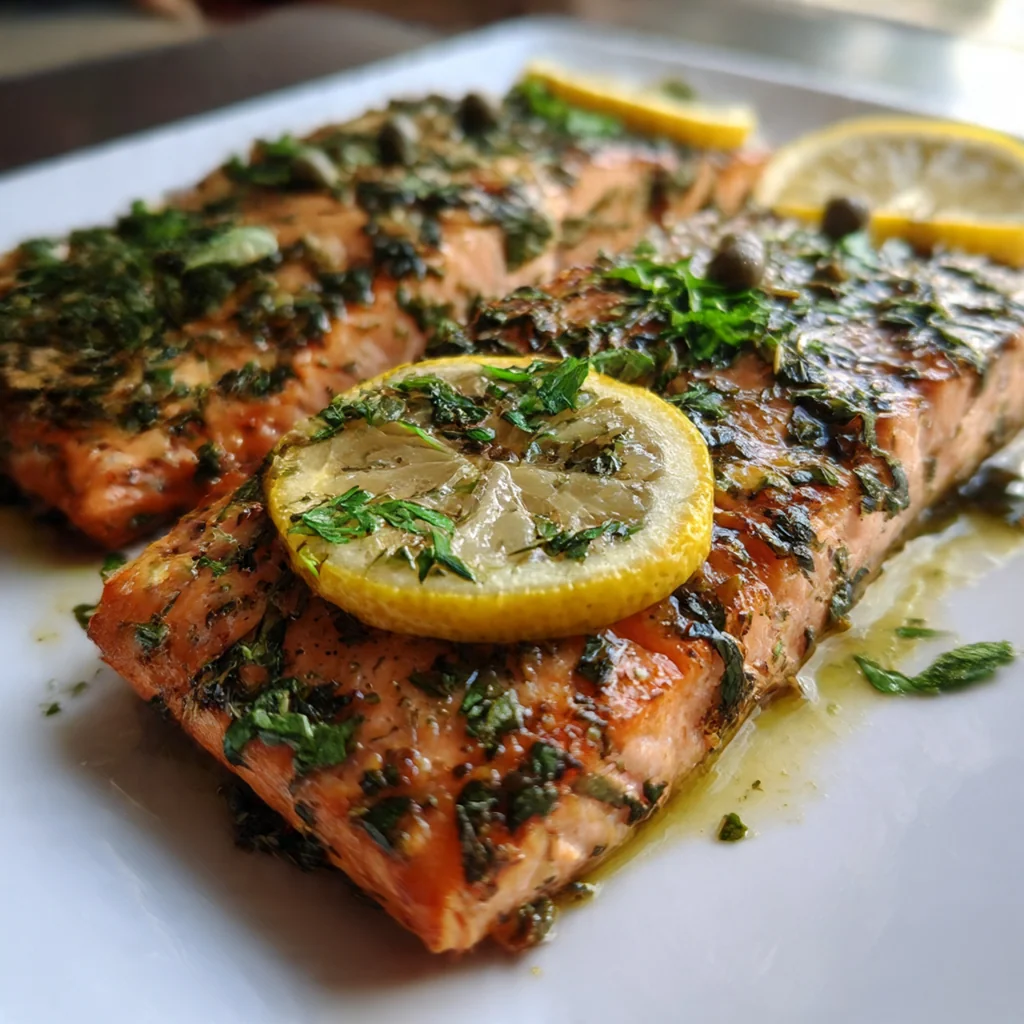
This lemon herb roasted salmon is the weeknight dinner you’ve been searching for. It’s bright, buttery, and packed with fresh flavor from real citrus and a blend of garden herbs. Juicy fillets are roasted until they are just flaky, then finished with a simple pan sauce that soaks into every single bite. This is the kind of recipe you’ll come back to again and again, whether you’re feeding your family on a Tuesday or impressing guests at a dinner party. It’s a testament to how simple ingredients can create something truly special.
Why You'll Love This Recipe
- Bright, fresh lemon and herbs keep the salmon light but full of flavor.
- Roasts in about 15 minutes, making it perfect for busy weeknights.
- Uses simple, real ingredients you likely already have on hand.
- Naturally gluten-free and easy to adapt for different tastes.
- Elegant enough for guests but simple enough for a cozy dinner at home.
- I’ll never forget the first time I made the pan sauce for this lemon herb roasted salmon. I almost skipped it, but pouring the remaining herb butter onto the hot pan and watching it sizzle with the salmon juices was a game-changer. That simple step elevates the entire dish from good to unforgettable, and it’s why this has become my go-to salmon recipe.
#
What You’ll Need for Lemon Herb Roasted Salmon
Here’s a look at the simple ingredients that make this dish shine. Choosing quality components is the first step to a perfect result.
* 4 (5- to 6-ounce) skin-on salmon fillets → The star of the show! Skin-on fillets help protect the fish from overcooking and keep it incredibly moist. Look for fillets that are vibrant pinkish-orange with a firm texture.
* 2 tablespoons extra-virgin olive oil → Used to coat the salmon, it helps the seasonings adhere and promotes even roasting. A good quality EVOO with a fruity note works wonders here.
* 1 1/4 teaspoons kosher salt, divided → Kosher salt’s coarse texture is ideal for seasoning proteins. We divide it to season both the fish and the pan sauce perfectly.
* 1/2 teaspoon freshly ground black pepper → Freshly ground pepper offers a pungent, woody spice that complements the herbs and lemon far better than pre-ground.
* 2 medium lemons → You’ll use both the zest and the slices. Zest provides an intense, aromatic lemon oil flavor without extra liquid, while the slices caramelize and infuse the fish as it roasts.
* 3 tablespoons unsalted butter, melted → This creates the base of our rich herb sauce. Using unsalted butter lets you control the final sodium level.
* 2 tablespoons finely chopped fresh parsley → Adds a clean, peppery brightness. Flat-leaf (Italian) parsley is generally more flavorful than curly.
* 1 tablespoon finely chopped fresh dill → Dill and salmon are a classic pairing for a reason. Its slightly anise-like flavor is a natural match for the rich fish.
* 1 tablespoon finely chopped fresh chives → These provide a delicate, mild onion flavor that rounds out the herb blend without overpowering it.
* 2 cloves garlic, finely minced → Minced garlic infuses the butter sauce with a savory, aromatic depth. Make sure to mince it finely so it distributes evenly.
* 1 teaspoon Dijon mustard → Acts as an emulsifier, helping to bind the butter and liquids for a smooth pan sauce. It also adds a tangy complexity.
* 1 tablespoon dry white wine or low-sodium chicken broth → This deglazes the pan, lifting all the flavorful browned bits and adding a layer of savory depth to the sauce.
* 1 tablespoon water → Helps create just the right consistency for the pan sauce, ensuring it’s pourable but not thin.

### How to Make Lemon Herb Roasted Salmon
Follow these steps closely, and you’ll have perfectly cooked, flavorful salmon every time. The magic is in the details, especially the pan sauce at the end!
- Step 1: Prepare Your Oven and Pan
- First things first, get your oven preheating to 400°F (200°C). This ensures the salmon starts cooking immediately in a hot environment, which helps it cook quickly and evenly. Line a rimmed baking sheet with parchment paper. This isn’t just for easy cleanup; it also prevents the delicate salmon skin from sticking to the pan.
- Step 2: Pat the Salmon Dry
- Use paper towels to pat the salmon fillets completely dry on all sides, including the skin. Removing excess moisture is a crucial step for getting a good sear and preventing the fish from steaming. A dry surface allows the olive oil and seasonings to adhere properly, creating a more flavorful crust.
- Step 3: Oil and Season the Fillets
- Place the dried fillets skin side down on your prepared baking sheet. Drizzle them evenly with the extra-virgin olive oil, then use your hands to gently rub it over the entire surface. Season the tops generously with 1 teaspoon of the kosher salt and all of the black pepper. Sprinkle the lemon zest over the top, gently pressing it onto the fish so it sticks. Zesting directly over the salmon ensures you capture all the fragrant oils.
- Step 4: Mix the Butter-Herb Sauce
- In a small bowl, it’s time to build your flavor-packed sauce. Stir together the melted unsalted butter, all your finely chopped fresh herbs (parsley, dill, and chives), the minced garlic, Dijon mustard, your choice of white wine or chicken broth, water, and the final 1/4 teaspoon of kosher salt. Whisk it all together until it’s well combined. This mixture will be used to baste the fish and create the amazing salmon pan sauce.
- Step 5: Sauce and Arrange the Salmon
- Spoon or brush about half of this glorious butter-herb mixture over the tops of your salmon fillets. Be generous and make sure each one is evenly coated. Now, arrange the thin lemon slices on top of and around the salmon. I like to place 2–3 slices directly on each fillet and tuck a few extras onto the parchment paper. The ones on the pan will caramelize beautifully, adding another layer of flavor.
- Step 6: Roast the Salmon
- Place the baking sheet in your preheated oven and roast for 10–14 minutes. The exact time depends heavily on the thickness of your fillets. Thinner pieces might be ready at 10 minutes, while thicker, center-cut fillets could need the full 14 minutes. The salmon is done when it’s just opaque in the center and flakes easily when gently prodded with a fork. Be careful not to overcook it!
- Step 7: Create the Pan Sauce
- This is the best part! Carefully transfer the cooked salmon fillets and the roasted lemon slices to a serving platter, leaving all the juices behind on the hot baking sheet. Immediately pour the remaining half of your butter-herb mixture onto the parchment. Use a small spatula to stir it vigorously into the pan juices and any browned bits. The heat from the pan will warm the sauce and help it emulsify into a fragrant, cohesive sauce in just 30-60 seconds.
- Step 8: Garnish and Serve Immediately
- Spoon the warm pan sauce directly over the salmon fillets on the platter. Garnish with any optional extras you’re using, like more chopped fresh herbs for a pop of color, extra lemon wedges for squeezing, and a final sprinkle of flaky sea salt for texture. Serve your lemon herb roasted salmon right away while it’s hot and the sauce is perfect.

You Must Know
- #
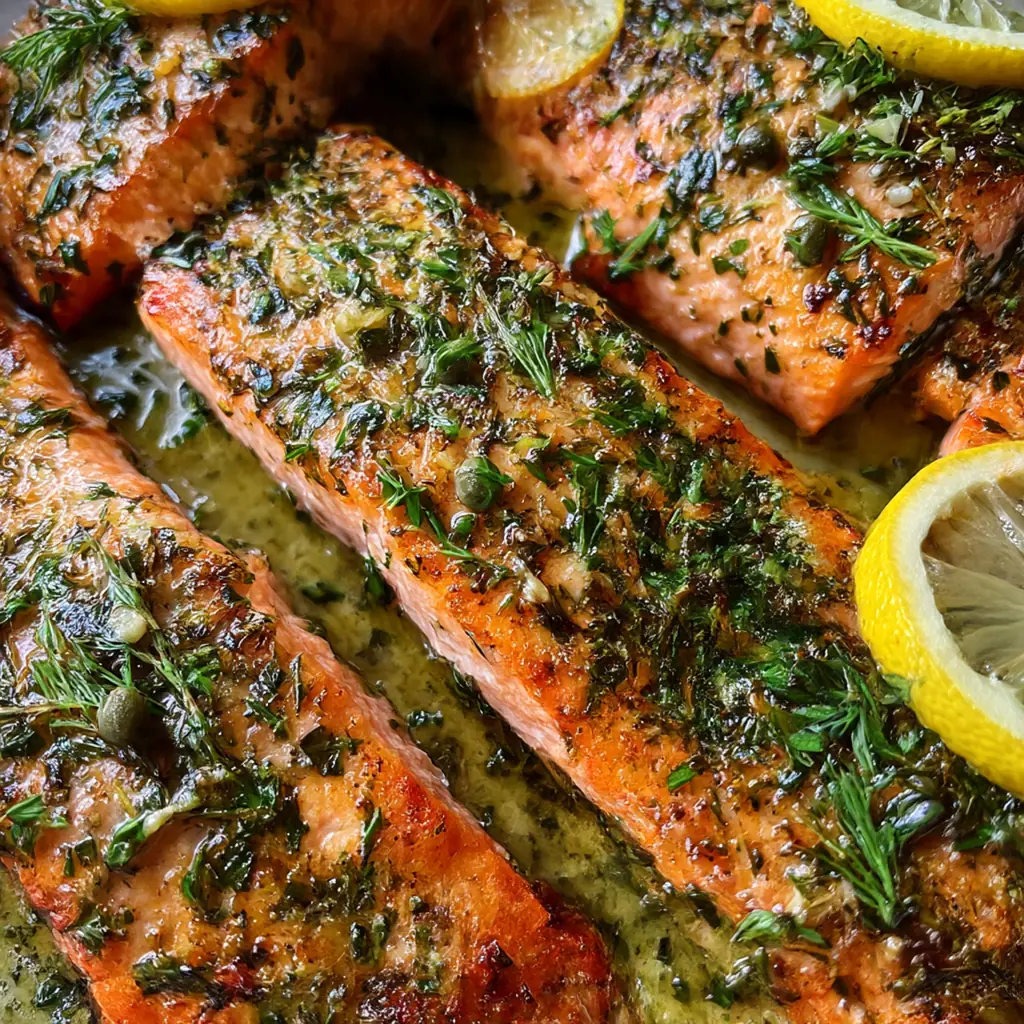
- Don’t skip the pan sauce. It takes 30 seconds and uses the flavorful bits left on the pan to create a restaurant-quality finish.
- Fresh herbs are non-negotiable here. They provide a vibrant, aromatic quality that dried herbs simply can’t replicate.
- Patting the salmon dry is the secret to a perfectly roasted fillet. Moisture is the enemy of a nice texture.
- The combination of lemon zest on the fish and lemon slices on the pan gives you two distinct citrus notes: one bright and one caramelized.
- This is a fantastic meal prep protein. The cold leftovers are amazing flaked into salads for lunch the next day.
- The skin protects the salmon from drying out. Even if you don’t eat the skin, it’s best to cook with it on.
- My favorite part about this weeknight salmon recipe is how impressive it looks with such little effort. The first time I served this to friends, they thought I’d spent hours on it. The secret is all in that final, quick salmon pan sauce—it makes all the difference.
Storage Tips
#
If you have any leftovers, storing them properly will keep them tasting great.
* Cool the salmon completely to room temperature within an hour of cooking to prevent bacterial growth.
* Store the cooled fillets in an airtight container in the refrigerator for up to 3 days.
* Reheat gently in a low-temperature oven (around 275°F) for 8-10 minutes, or until just warmed through. You can also enjoy it cold.
To be honest, I think the best way to enjoy leftover lemon herb roasted salmon is cold. I flake it over a big green salad with a light vinaigrette for a quick and healthy lunch. Reheating can sometimes dry it out, but enjoying it chilled keeps it perfectly moist.
Ingredient Substitutions
#
Don’t have everything on hand? No problem. This recipe is flexible.
* Herbs: If you don’t have all three herbs, you can use any combination you like. A bit of fresh thyme or oregano would also work well, just use them more sparingly as they are stronger.
* Citrus: While lemon is classic, you could easily substitute it with orange or even lime for a different flavor profile. Orange zest and slices would make for a sweeter, warmer dish.
* Acidity: No white wine? You can use an equal amount of chicken broth with a tiny splash of white wine vinegar or apple cider vinegar to replicate the acidity.
My favorite swap is using finely chopped shallots instead of minced garlic. It gives the butter sauce a milder, slightly sweeter aromatic base that is just fantastic. It’s a simple change that makes the fresh herb salmon feel brand new.
Serving Suggestions
#
This versatile salmon pairs beautifully with a wide variety of sides. Here are a few ideas to get you started.
* Serve with roasted baby potatoes or simple steamed new potatoes and a crisp green salad with a vinaigrette.
* It’s excellent alongside vegetables like garlicky green beans, roasted asparagus, or broccoli.
* For a heartier meal, pair it with quinoa, couscous, or buttered rice and a side of crusty bread to soak up every last drop of the pan sauce.
My go-to pairing is always a simple bed of fluffy quinoa and some perfectly roasted asparagus. The nutty quinoa absorbs the buttery pan sauce beautifully, and the asparagus adds a lovely green, earthy note that complements the rich roasted salmon fillets.
Cultural Context
#
While roasting fish with lemon and herbs is a technique found across the globe, this particular preparation reflects modern American cuisine.
* Focus on Freshness: This recipe emphasizes high-quality, fresh ingredients—a hallmark of contemporary American cooking. The use of fresh herbs from the garden and bright citrus lets the main ingredient shine.
* Simplicity and Efficiency: As a quick, 30-minute meal, it fits perfectly into the American lifestyle, valuing dishes that are both efficient for weeknights and elegant enough for entertaining.
* Technique-Driven Flavor: The creation of a quick pan sauce by deglazing the baking sheet is a classic restaurant technique adapted for the home cook, which is a common theme in modern American recipe development.
This lemon herb roasted salmon really embodies the spirit of a new American classic. It’s not tied to a long, complex history but instead represents a simple, healthy, and flavor-forward approach to food that many of us connect with today. It’s about making the most of good ingredients without a lot of fuss.
Pro Tips
- #
- These little tricks will take your salmon from great to absolutely perfect.
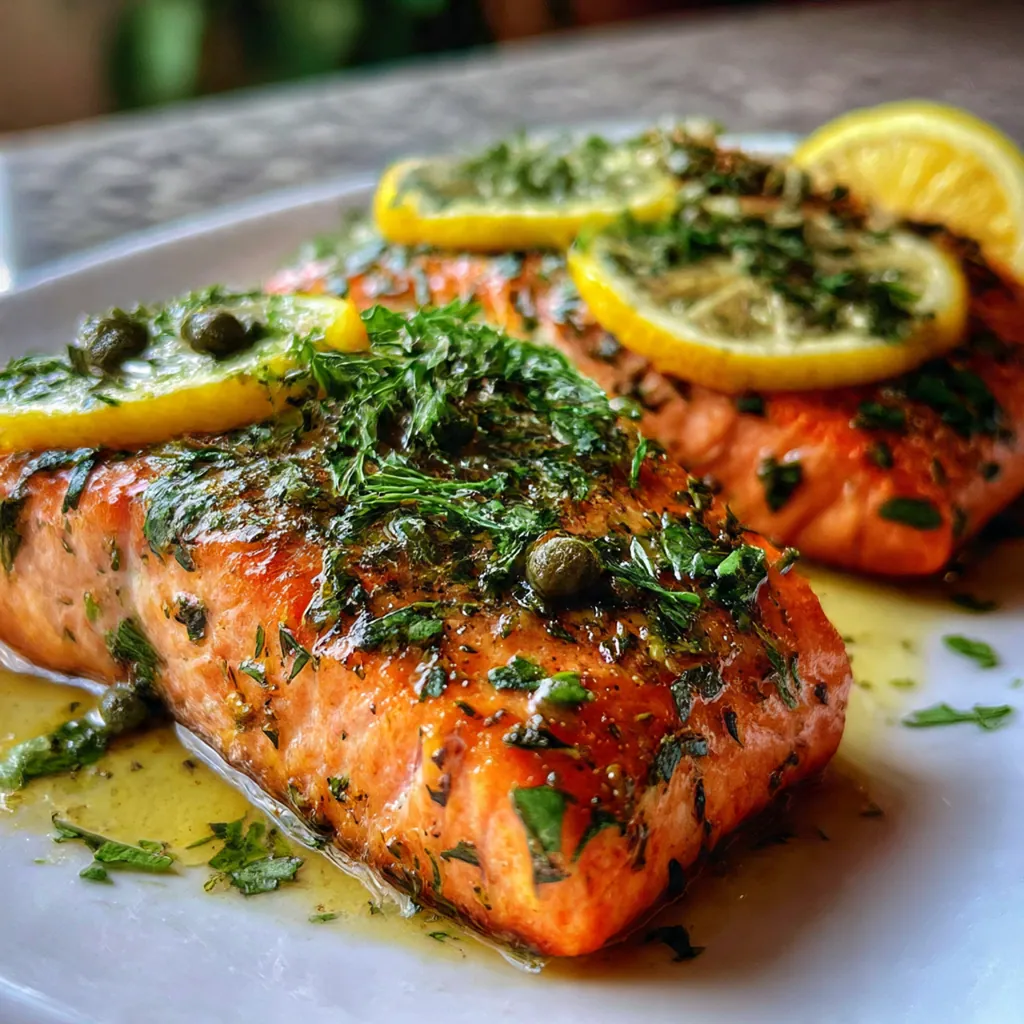
- For the juiciest salmon, remove it from the oven when the center still looks slightly translucent; it will finish cooking from residual heat.
- If your fillets are very different in thickness, check the thinner ones a few minutes earlier to avoid overcooking.
- Use freshly squeezed lemon juice by lightly pressing the roasted lemon slices over the salmon at the table for an extra pop of flavor.
- Let the salmon sit at room temperature for 10–15 minutes before roasting so it cooks more evenly.
- If you prefer a lightly crisp top, switch the oven to broil for the last 1–2 minutes, watching closely so the herbs don’t burn.
- Of all these tips, bringing the salmon to room temperature before cooking has made the biggest difference for me. It seems like a small step, but it prevents the outer part of the fillet from overcooking while the inside is still catching up. This one simple action guarantees a more evenly cooked, tender piece of fish every time.
Frequently Asked Questions
For this Lemon Herb Roasted Salmon, use fresh, skin-on salmon fillets that are about 5 to 6 ounces each. Wild-caught salmon has a richer flavor and slightly firmer texture, while farm-raised tends to be milder and a bit fattier, which can help keep it extra moist. Aim for fillets that are similar in thickness so they roast evenly. Pat the salmon dry before seasoning so the olive oil, kosher salt, pepper, lemon zest, and herbs stick well and help the fish brown nicely.
You can prep parts of this Lemon Herb Roasted Salmon ahead, but it’s best enjoyed fresh from the oven. Mix the melted butter, lemon zest, garlic, Dijon, herbs, and wine or broth up to a day in advance and refrigerate. You can also slice the lemons ahead. Roast the salmon just before serving so it stays juicy and flaky. If you do have leftovers, store the cooked salmon in an airtight container in the fridge for up to 2 days and gently rewarm at a low oven temperature or enjoy chilled over salad.
This Lemon Herb Roasted Salmon is flexible. If you don’t have extra-virgin olive oil, use avocado oil or another neutral oil. No fresh parsley, dill, or chives? Swap in other soft herbs like basil, tarragon, or cilantro, or use 1 to 2 teaspoons of dried Italian seasoning instead. Replace unsalted butter with ghee or an olive oil–only version for dairy-free. If you’re out of dry white wine, use low-sodium chicken broth or even water with a squeeze of extra lemon for brightness.
Lemon Herb Roasted Salmon is ready when the fillets look opaque, the flesh flakes easily with a fork, and the edges are just starting to turn golden. At 400°F, this usually takes about 12 to 15 minutes, depending on thickness. You can also use a thermometer: the center should reach 125°F to 130°F for moist, medium salmon. Avoid roasting until the white albumin protein heavily leaks from the sides—that’s a sign the fish is overcooked and drying out.
Lemon Herb Roasted Salmon pairs well with classic American sides. Try it with roasted or mashed potatoes, garlic butter green beans, or a simple mixed green salad. Rice pilaf, quinoa, or buttered egg noodles are great for soaking up the citrus herb pan sauce. For a lighter meal, serve the salmon over steamed asparagus or a fresh cucumber and tomato salad. Add crusty bread on the side if you want something to mop up every drop of that buttery lemon herb goodness.