
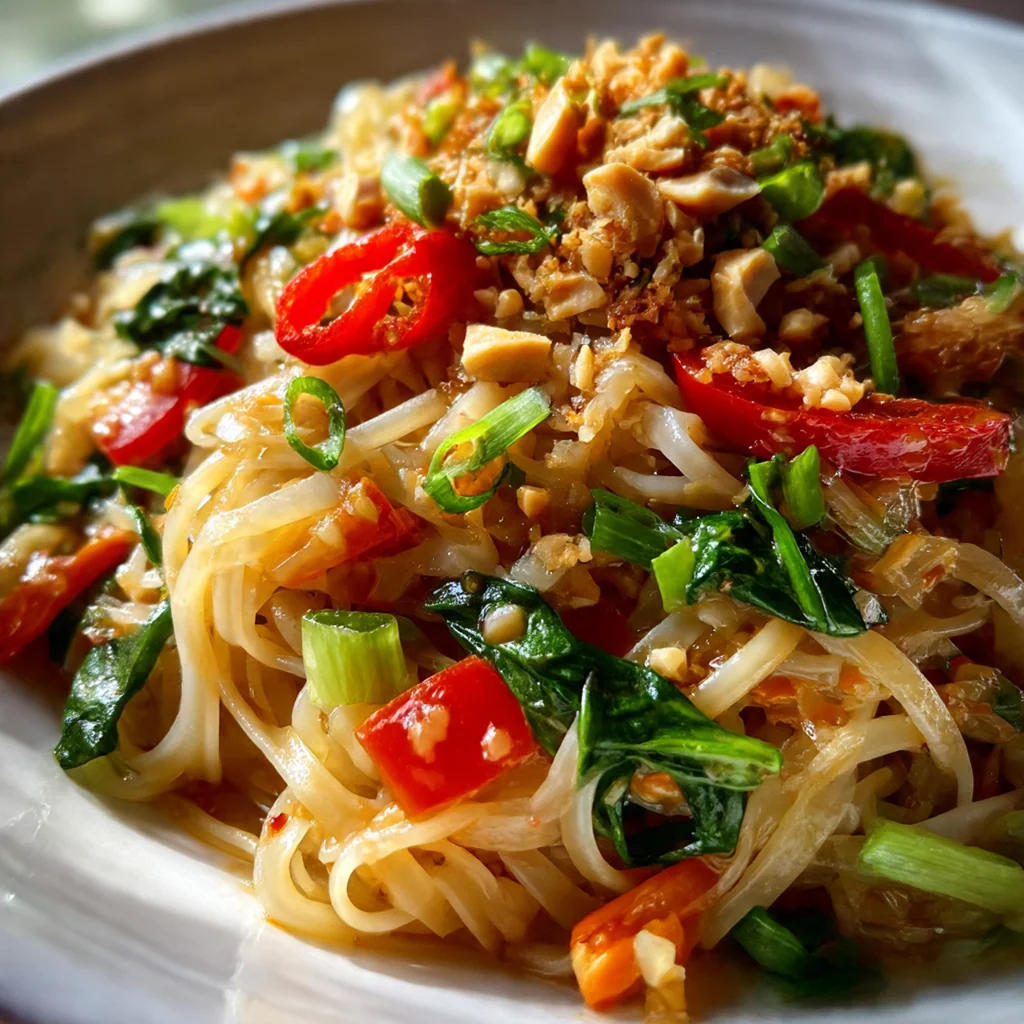
These authentic Spicy Thai Basil Noodles deliver the fiery, aromatic flavor you crave, straight from the streets of Thailand. This recipe for Pad Kee Mao is the real deal, built on a foundation of savory sauces, fragrant holy basil, and a satisfying chili kick. Forget disappointing takeout, because creating this dish at home gives you a depth of flavor that is simply unmatched. The perfect chew of the wide rice noodles makes this a guaranteed weeknight favorite that feels incredibly special yet comes together so quickly.
Why You'll Love This Recipe
- It’s so much faster and more flavorful than delivery
- The sauce is a perfect harmony of savory, sweet, and spicy
- Those chewy, wide rice noodles are just so satisfying
- You can easily dial the heat up or down to your liking
- I love that it’s a complete one-pan meal
Ingredients You’ll Need
- Dried wide flat rice noodles: These are the foundation, providing a delightfully chewy texture. Soaking them just right is key to the perfect final dish.
- Oyster sauce: This provides a deep, savory, and slightly sweet umami base. It’s a non-negotiable for authentic flavor.
- Fish sauce: Don’t be afraid of it. This adds a crucial salty, funky depth that is quintessentially Thai.
- Light soy sauce: This is primarily for saltiness and a light savory flavor without adding too much dark color.
- Dark soy sauce: Used more for its rich, dark color and hint of molasses sweetness than for saltiness. It gives the noodles their beautiful hue.
- Brown sugar: A small amount is essential to balance the salty and spicy elements of the sauce, creating a perfect harmony.
- Avocado oil: Its high smoke point makes it perfect for the high-heat cooking required for a great stir-fry.
- Boneless, skinless chicken thighs: These stay incredibly juicy and tender even with high-heat searing, adding rich flavor.
- Garlic: A generous amount builds the aromatic foundation of the dish. A rough chop is perfect for releasing its flavor.
- Thai bird’s eye chilies: These tiny powerhouses provide the signature fiery heat. You are in complete control of the spice level here.
- Yellow onion: Adds a subtle sweetness and texture that complements the other bold flavors in the stir-fry.
- Red bell pepper: This brings a touch of sweetness, vibrant color, and a crisp-tender bite to the final dish.
- Chinese broccoli: Also known as gai lan, its slightly bitter stems and tender leaves provide a classic, delicious contrast.
- Thai Holy Basil leaves: This is the star ingredient. Its unique peppery, clove-like aroma is what makes this dish authentic Pad Kee Mao.
- Lime wedges: A fresh squeeze at the end cuts through the richness and brightens up all the flavors.
- Crispy fried shallots: This optional topping adds a fantastic savory crunch and an extra layer of flavor.
How to Make It
Prepare Noodles and Sauce:
First, get your rice noodles ready by following the package directions. This usually means soaking them in hot water until they’re pliable but still have a bit of a bite, as they’ll finish cooking in the wok. Drain them completely so they don’t make your stir-fry watery. While they soak, whisk together the oyster sauce, fish sauce, light soy sauce, dark soy sauce, and brown sugar in a small bowl to create your flavorful stir-fry sauce.
Sear the Chicken Perfectly:
Place your wok or a large skillet over high heat until you see a little smoke. This high heat is crucial for getting that classic ‘wok hei’ or smoky flavor. Add a tablespoon of oil, then carefully place the chicken in a single layer. Let it sear without moving it for a couple of minutes to develop a beautiful char, then stir-fry until it’s cooked through. Remove it from the wok and set it aside for later.
Build the Aromatic Base:
Lower the heat just a bit to medium-high and add the rest of the oil to the wok. Now it’s time for the aromatics. Add the chopped garlic and sliced Thai chilies, stir-frying them for about 30 seconds. You’ll know they’re ready when your kitchen smells incredible and the garlic is lightly golden. Keep a close eye on them, as garlic can burn in a flash.
Stir-Fry the Vegetables:
Once the aromatics are fragrant, add the sliced onion, red bell pepper, and the tough stems from the Chinese broccoli. Keep everything moving in the wok, stir-frying for 2 to 3 minutes. You’re aiming for a crisp-tender texture here, where the vegetables still have a bit of a snap to them. This quick cooking keeps them vibrant and fresh.
Combine Noodles and Sauce:
Now for the best part. Add the drained noodles and the cooked chicken back into the wok with the vegetables. Pour that incredible sauce you made earlier all over everything. This is where the magic really starts to happen as all the components come together. Your Spicy Thai Basil Noodles are almost ready.
Toss to Coat Everything:
Using tongs or a big spatula, toss everything together constantly for one to two minutes. The goal is to get every single noodle coated in the sauce and to prevent anything from sticking to the bottom of the wok. You’ll see the sauce thicken slightly and cling beautifully to the noodles and chicken. Keep things moving!
Wilt the Final Greens:
With the noodles and chicken heated through, it’s time for the final vegetable addition. Add the tender Chinese broccoli leaves and toss for just another minute. They don’t need much time at all, just enough to wilt slightly while retaining a bit of their texture and bright green color.
Finish with Holy Basil:
Turn the heat off completely. This step is critical for preserving the basil’s delicate flavor. Add the huge pile of fresh Thai Holy Basil leaves and toss gently for about 30 seconds. The residual heat from the wok is more than enough to wilt the basil perfectly without cooking it down or making it bitter. Its peppery aroma will perfume the entire dish.
Plate and Garnish:
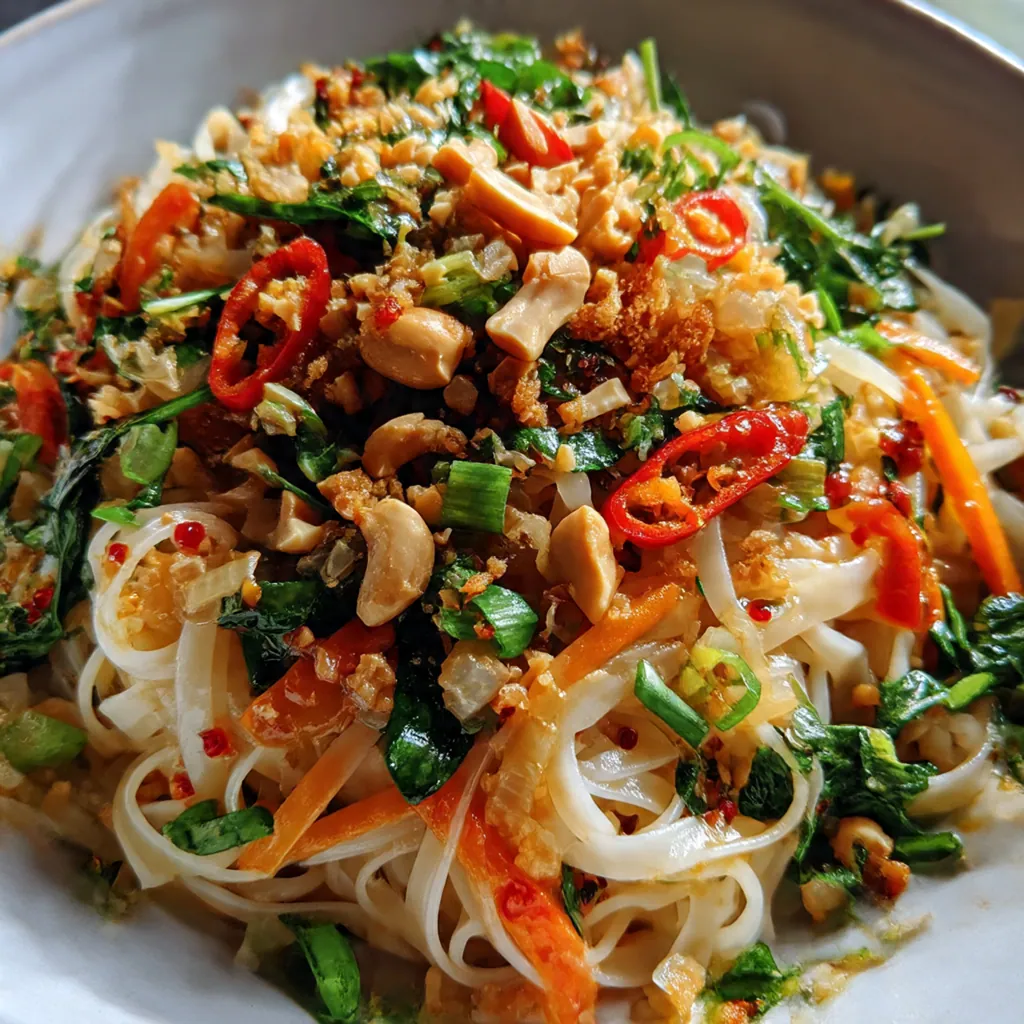
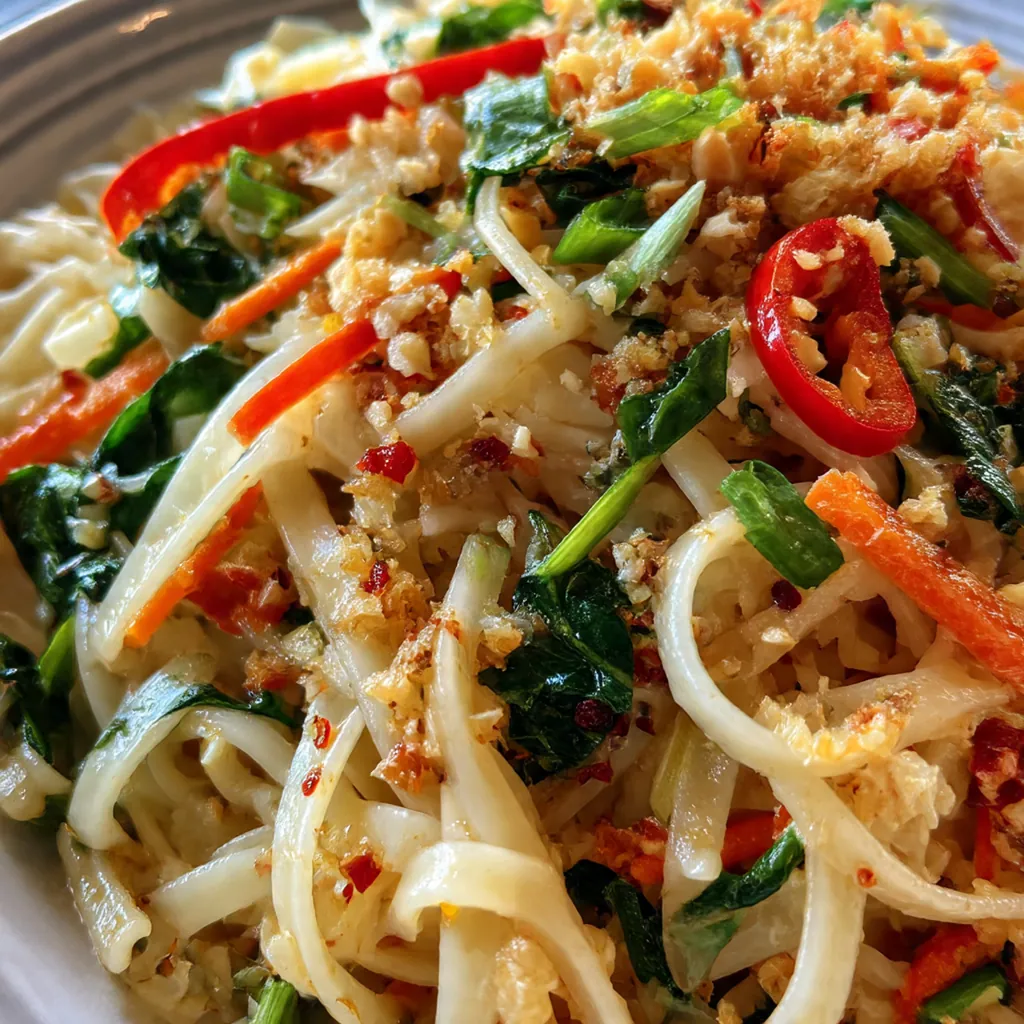
Divide your Spicy Thai Basil Noodles immediately among your serving plates. This dish is absolutely best when served piping hot, straight from the wok. Serve with fresh lime wedges on the side for squeezing over the top and a generous sprinkle of crispy fried shallots for an amazing textural crunch. Enjoy the best homemade Pad Kee Mao you’ve ever had.
You Must Know
- A screaming hot wok is the secret to real flavor
- Don’t oversoak the noodles or they will get mushy
- Thai Holy Basil is what makes this dish authentic
- Prep everything first because the cooking is lightning fast
Storage Tips
Your Spicy Thai Basil Noodles are definitely best enjoyed fresh from the wok, when the noodles are perfectly chewy and the basil is at its most fragrant. If you do have leftovers, store them in an airtight container in the refrigerator for up to two days. Be aware that the rice noodles will clump and firm up when chilled. To bring them back to life, reheat them in a hot skillet with a tiny bit of oil, or in the microwave. I find that adding a small splash of water helps to loosen the noodles and create a little steam as they warm up.
Ingredient Substitutions
The most important ingredient here is the Thai Holy Basil, which has a distinct peppery flavor. If you absolutely can’t find it, Thai sweet basil is the next best choice, though it will give the dish a different, more anise-like flavor. For the protein, feel free to swap the chicken thighs for bite-sized pieces of shrimp, beef sirloin, or even firm tofu for a vegetarian version. If Chinese broccoli isn’t available, you can substitute it with other sturdy greens like broccolini or even chopped regular broccoli, just be sure to adjust the cooking time accordingly so they become crisp-tender.
Serving Suggestions
This dish of Spicy Thai Basil Noodles is a fantastic and complete one-pan meal, so it really doesn’t need much else on the side. To create a true Thai street food experience, I love serving it with an ice-cold Thai beer like a Singha or Chang, which provides a perfect counterpoint to the heat. For a non-alcoholic option, a simple side of sliced, cool cucumbers offers a refreshing crunch that helps to balance the spiciness. Sometimes, for an extra bit of protein and richness, I’ll even top each serving with a crispy fried egg, which is a common and delicious addition in Thailand.
Cultural Context
Spicy Thai Basil Noodles, or Pad Kee Mao, is a beloved staple of Thai street food culture. The name literally translates to “drunken noodles,” and there are a couple of fun theories about its origin. One story suggests the dish is so intensely spicy that you need a cold beer to handle it; another claims it was invented by someone who came home after a night of drinking and threw together whatever powerful flavors they had in their pantry. Regardless of its true origin, the dish is defined by its bold, aggressive flavors and the signature smoky essence known as ‘wok hei,’ which can only be achieved by cooking quickly over incredibly high heat in a seasoned wok. It’s a perfect example of the Thai balance of spicy, savory, and sweet.
Pro Tips
- Have every single ingredient prepped and ready to go
- Don’t overcrowd your wok or the food will steam
- Adjust the number of Thai chilies to your exact spice level
- Use tongs to toss the noodles so they don’t break apart
- I always find chicken thighs work better than breast here
Frequently Asked Questions
Thai Holy Basil is key for the authentic peppery, slightly clove-like flavor in Spicy Thai Basil Noodles. If you can’t find it, Thai sweet basil is the next best choice, though it’s milder. In a pinch, you can use Italian basil, but the final dish will have a different flavor profile. We highly recommend seeking out holy basil at an Asian market for the real-deal taste!
You’re in complete control of the heat! For a milder version of these Spicy Thai Basil Noodles, start with just one Thai bird’s eye chili and be sure to remove the seeds. For even less heat, you can substitute with a mild pepper like a sliced jalapeño (seeds removed) or simply add more red bell pepper for flavor without the fire. The dish will still be delicious!
We recommend using wide, flat dried rice noodles for this dish. They have a fantastic chewy texture and their broad surface is perfect for soaking up all of that delicious, savory sauce. You can typically find them in the Asian section of your grocery store. If you can’t find wide noodles, any medium-width flat rice noodle (like those used for Pad Thai) will also work well.
This dish is definitely best enjoyed fresh from the wok, as the noodles can become soft upon reheating. However, you can absolutely prep ahead! Chop all your vegetables and chicken, and mix the sauce ingredients together. Store them in separate airtight containers in the fridge for up to 2 days. When you’re ready to eat, the cooking will only take about 15 minutes.
Spicy Thai Basil Noodles is a complete meal on its own, but a crispy fried egg (known as ‘kai dao’ in Thai) on top is a classic and delicious addition. The runny yolk perfectly complements the spicy sauce. For a refreshing side, serve it with some simple sliced cucumbers or a light, crunchy salad to balance the heat.